




South Carolina Fence Permits & Regulations Guide
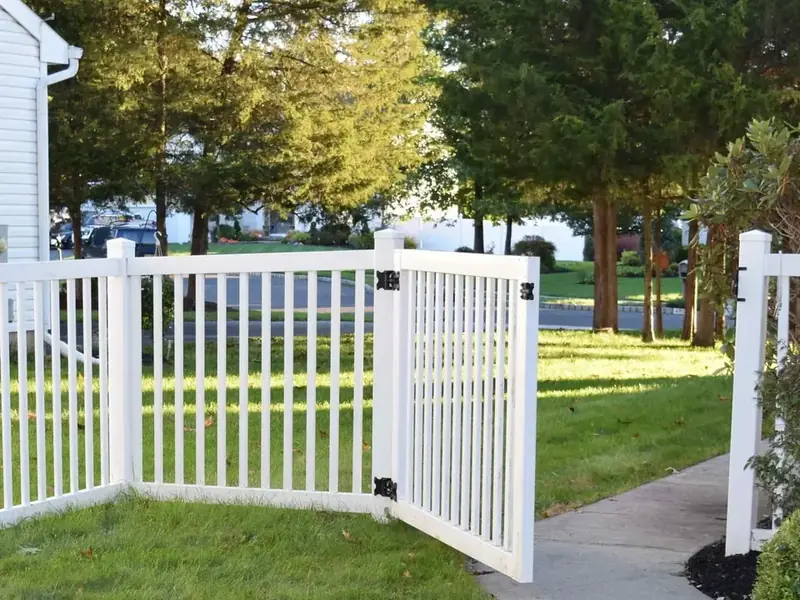
Everything you need to know about fence permits, height restrictions, setback requirements, and HOA rules in SC.
Do You Need a Fence Permit in South Carolina?
In most South Carolina cities and counties, yes — you need a building permit before installing a fence. Permit requirements vary by municipality, but failing to get one can result in fines, forced removal, or problems when selling your property.
At Dubya Fence Company, we help our customers navigate the permitting process as part of our installation service. Below is a comprehensive guide to SC fence regulations so you know what to expect.
General South Carolina Fence Regulations
Height Restrictions
- Front yard: Typically 4 feet maximum
- Side yard: 4-6 feet depending on setback
- Rear yard: Up to 6 feet residential
- Commercial: Up to 8 feet (varies)
- Agricultural: Often exempt from height limits
Corner lots may have special visibility requirements at intersections to maintain driver sight lines.
Setback Requirements
- Property line: 0-2 feet setback (varies by area)
- Street right-of-way: Must not encroach
- Easements: No fencing in utility easements
- Sidewalks: Must not block public sidewalks
- Driveways: Sight triangle requirements apply
A professional property survey before installation prevents costly mistakes and neighbor disputes.
Material & Style Rules
- The "finished" side must typically face outward
- Barbed wire is restricted in residential zones
- Electric fencing has specific rules by area
- Chain link may be restricted in some HOAs
- Fence must be maintained in good condition
Pool Fence Requirements
- Minimum height: 48 inches (4 feet)
- Self-closing, self-latching gate required
- Gate must open outward from pool
- No openings greater than 4 inches
- Non-climbable design required
Pool fencing is required by SC law and must meet specific safety standards. Aluminum is a popular choice for pool enclosures.
The Fence Permit Process — Step by Step
1 Check Local Requirements
Contact your local building or zoning department to find out if a permit is required. In Orangeburg County, call the Building Codes office. If you live in an HOA, check your covenants first.
2 Get a Property Survey
Know exactly where your property lines are before installing a fence. A professional survey prevents encroachment on neighboring property and avoids costly disputes. Many fence companies, including Dubya Fence, can recommend surveyors.
3 Submit Your Application
Permit applications typically require a site plan showing fence location, height, and material. Some jurisdictions also require the total linear footage and gate locations. Application fees typically range from $25 to $100.
4 Wait for Approval
Processing time varies — from same-day in some offices to 1-2 weeks in others. Plan ahead so your permit is approved before your scheduled installation date.
5 Call 811 Before Digging
This is required by law. Call 811 (SC811) at least 3 business days before any digging to have underground utilities marked. This service is free and prevents dangerous (and expensive) utility line strikes.
6 Install & Inspect
After installation, some jurisdictions require a final inspection to verify the fence meets code. Keep your permit and inspection records for your files — you will need them if you sell the property.
Fence Regulations by Area
Orangeburg County
Permits required for most fence installations. Standard residential height limit is 6 feet in rear yards, 4 feet in front. Contact the Orangeburg County Building Codes office.
Calhoun County
Less restrictive regulations in rural areas. Agricultural fencing may be exempt from permits. Residential areas in St. Matthews follow standard SC guidelines.
Dorchester County
Growing area with stricter residential zoning in some developments. HOA communities near Summerville often have additional fence restrictions. Always check your covenants.
Bamberg County
Rural county with generally relaxed fence regulations. Agricultural properties may have fewer restrictions. Check with the Bamberg County planning office for specifics.
Clarendon County
Manning and lakefront properties near Lake Marion may have specific setback and height requirements. Waterfront fencing may need additional approvals.
Colleton County
Walterboro and surrounding areas follow standard SC building codes. Residential developments may have HOA restrictions in addition to county regulations.
HOA Fence Rules — What to Know
If you live in a Homeowners Association community, your HOA covenants may restrict:
- Fence materials: Some HOAs only allow wood or vinyl, not chain link
- Colors: Must match approved color palette
- Height: May be stricter than county limits
- Placement: May restrict fences to rear yards only
- Approval process: Architectural review committee approval may be needed
Dubya Fence regularly works with HOA homeowners and can help ensure your fence choice meets both HOA standards and local building codes.
Need Help with Fence Permits?
Dubya Fence guides you through the entire permitting process. Get a free estimate and let us handle the paperwork.
Get a Free Quote View Fence PricingFrequently Asked Questions About Fence Permits in SC
In most South Carolina municipalities, you need a building permit for fence installation. Requirements vary by city and county — Orangeburg, for example, requires permits for fences in many zoning districts. Dubya Fence helps customers navigate the permit process as part of our installation service. Call (803) 855-1001 for guidance.
Most SC municipalities allow 6-foot fences in rear yards and 4-foot fences in front yards. Some areas permit up to 8 feet for commercial or agricultural properties. HOA neighborhoods may have stricter limits. Always check your local zoning ordinance before installation.
Most South Carolina jurisdictions require fences to be set back at least 1-2 feet from the property line, though some allow building directly on the line. It is critical to have your property surveyed before installation to avoid encroaching on neighboring property.
In South Carolina, you do not need your neighbor's permission to build a fence on your own property. However, it is good practice to discuss plans with neighbors beforehand. If the fence sits exactly on the property line, both property owners may share responsibility.
Orangeburg County follows SC state building codes and has local zoning ordinances that affect fence height, placement, and materials in certain districts. Permits are typically required. Dubya Fence is familiar with all local requirements and can handle the permitting process for you.
Building without a required permit can result in fines, mandatory removal, or having to retrofit the fence to meet code. It can also cause problems when selling your home, as unpermitted structures may be flagged during inspections. Always get the proper permits before installation.