
Do I Need a Permit for a Fence in Orangeburg, SC? Complete Guide
By Dubya Fence Company | March 20, 2026 | 7 min read
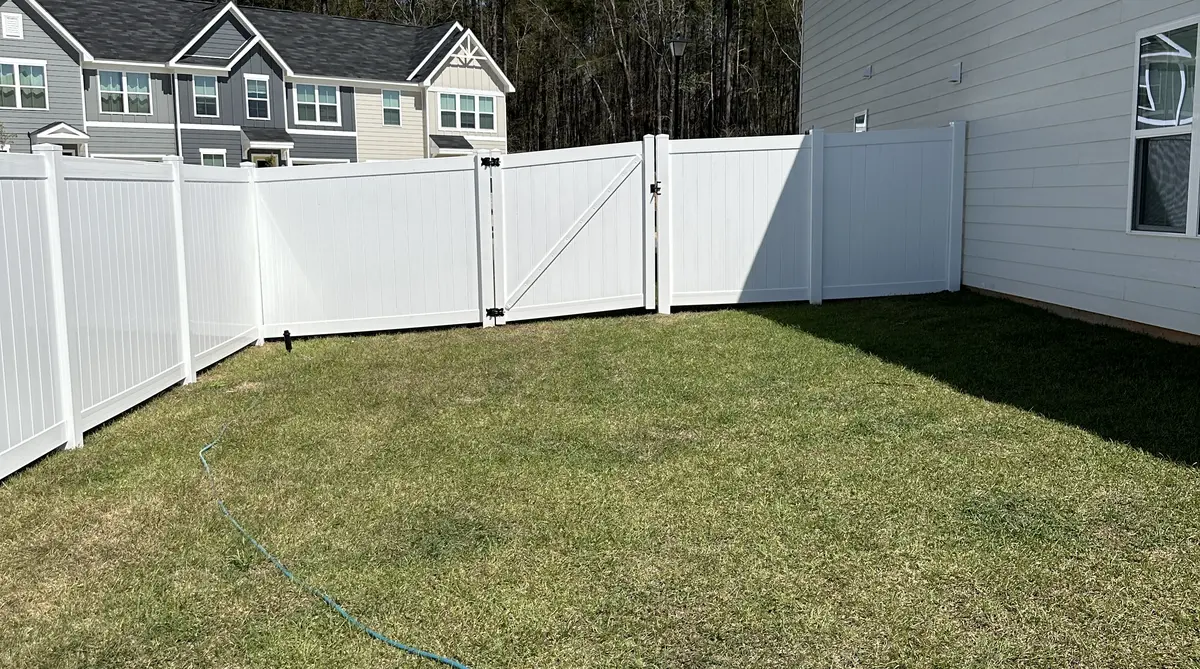
Yes, you generally need a permit to install a fence in Orangeburg, SC. If your property is within city limits, the City of Orangeburg Building Department requires a fence permit before installation. In unincorporated Orangeburg County, the requirements vary by zoning district, but most residential fences need at least a basic zoning permit. The fee is typically $25-75, and approval usually takes 3-7 business days.
We handle fence permits for our customers as part of every installation project in the Orangeburg area. This guide covers what you need to know so there are no surprises.
Orangeburg City Fence Permit Requirements
If your property is within the City of Orangeburg limits, here is what applies:
When You Need a Permit
- Any new fence installation (all materials, all heights)
- Replacing an existing fence with a different material or height
- Extending an existing fence line
- Adding a gate to an existing fence (if it changes the fence structure)
When You May Not Need a Permit
- Repairing an existing fence without changing its height, location, or material (replacing damaged boards, fixing a leaning section)
- Temporary construction fencing (under 60 days)
Height Limits Within City Limits
The City of Orangeburg sets these maximum fence heights for residential properties:
- Front yard: 4 feet maximum
- Side yard: 6 feet maximum
- Rear yard: 6 feet maximum
- Corner lots (street-facing side): 4 feet for the portion between the front building line and the street, 6 feet behind the front building line
The "front building line" is the plane where your house's front wall sits. Everything between that line and the street is considered front yard, even if it is technically to the side of your house. This trips up a lot of corner lot homeowners who assume they can put a 6-foot fence along the side street.
Sight Triangle Requirements
On corner lots, the city requires a clear sight triangle at the intersection. This is typically a triangular area extending 25 feet from the corner along each street frontage where no fence, wall, or vegetation above 30 inches is allowed. The purpose is to ensure drivers can see cross traffic and pedestrians.
If your property is on a corner, we measure the sight triangle during our estimate visit and design the fence to comply. In some cases, we use a shorter decorative section near the corner and transition to full height once past the triangle.
Orangeburg County Fence Rules (Unincorporated Areas)
If you live outside city limits but within Orangeburg County (including areas like Rowesville, Bowman, Cope, Neeses, and North), the county zoning ordinance applies instead of city rules.
Residential Zones
In residential zoning districts (R-1, R-2, R-3), county rules are similar to city rules:
- Maximum height: 6 feet in side and rear yards, 4 feet in front yards
- Setback from property line: The fence can go up to the property line, but no part of it (posts, concrete) can cross onto the adjacent property
- Permit required: A zoning permit is required for new fences. The county planning office handles this.
Agricultural and Rural Zones
Agricultural zones (A-1, A-2) have more flexibility. Farm fences, livestock fencing, and boundary fences on agricultural land often have different or relaxed permit requirements. Farm and ranch fencing in these zones may only need notification rather than a formal permit, though it depends on the fence type and whether it is near a road right-of-way.
If you are on a large rural lot in the county, the fence regulations are generally less restrictive, but you still need to respect road setbacks and utility easements.
Commercial and Industrial Zones
Commercial properties in Orangeburg County can install fences up to 8 feet tall with a building permit. Commercial fencing -- especially security fencing with barbed wire or razor wire -- has additional requirements. Barbed wire is generally only permitted on commercial and industrial properties, not residential, and must be at least 6 feet above ground level.
HOA Fence Rules in the Orangeburg Area
HOA restrictions are separate from city and county regulations. You need to comply with both. An HOA can be more restrictive than the government (requiring specific materials or lower heights) but cannot override government minimums for things like pool safety barriers.
Common HOA fence restrictions we encounter in Orangeburg-area subdivisions:
- Material requirements: Many HOAs mandate vinyl or aluminum and prohibit chain link in visible areas. Some older communities specify wood only.
- Color restrictions: White, tan, and black are generally safe. Unusual colors typically require ARB (Architectural Review Board) approval.
- Height limits: Often 4-6 feet, matching or lower than county maximums.
- Location restrictions: Some HOAs prohibit fencing in front yards entirely, or require fences to start behind the front building line.
- Approval process: Most HOAs require written approval before installation. Submit your request 2-4 weeks before your target installation date to allow for board review.
We recommend checking your HOA covenants first, before the permit process, because getting a county permit for a fence your HOA will not allow is a waste of time and money.
Setback and Property Line Rules
How Close Can a Fence Be to the Property Line?
In both Orangeburg city and county, you can build a fence right on your property line. However, every part of the fence -- posts, concrete footings, and rails -- must be entirely on your property. We recommend setting the fence 2-4 inches inside your property line for two reasons:
- Measurement tolerance: Property line markers can shift or be slightly inaccurate. A few inches of buffer prevents an accidental encroachment that could force you to move the fence.
- Maintenance access: If you need to replace a post or repair the fence, having a small gap means you can work from either side without stepping on your neighbor's property.
Utility Easements
Many properties in Orangeburg County have utility easements along the property edges, especially along roads. You can usually build a fence within an easement, but the utility company has the right to remove it if they need access. They are not required to replace it.
We check for recorded easements as part of our permit process. If your fence line crosses an easement, we will let you know so you can make an informed decision. In practice, most residential utility easements along the side and rear of properties do not cause issues -- the utility companies rarely need to dig in those areas.
Pool Fence Requirements in South Carolina
South Carolina state law requires a barrier around residential swimming pools. The requirements are:
- Minimum height: 48 inches (4 feet)
- Maximum gap: No opening larger than 4 inches (to prevent children from squeezing through)
- Gate requirements: Self-closing and self-latching. The latch must be on the pool side of the gate, at least 54 inches above ground, or otherwise inaccessible to young children.
- No climbable features: Horizontal rails or decorative elements that create a "ladder effect" are not permitted. This is why aluminum pool fences use vertical pickets only.
Pool fence requirements are separate from your standard fence permit. The building inspector may need to verify pool barrier compliance as part of a pool permit or during a home sale inspection.
What Happens If You Build Without a Permit?
Building a fence without the required permit in Orangeburg can result in:
- Stop work order: The county or city can halt your installation mid-project until you get the permit.
- Fine: Typically $50-200, though it can increase for repeat violations.
- Forced removal: In extreme cases (fence violates setbacks, height limits, or sight triangles), you may be required to modify or remove the fence at your expense.
- Title issues: An unpermitted fence can complicate a home sale. Buyers' inspectors and title companies may flag it, requiring you to get a retroactive permit or remove the fence before closing.
The permit fee is $25-75. The potential consequences of skipping it are much more expensive. There is no good reason to skip the permit.
The Permit Process: Step by Step
Here is what the process looks like when we handle it for you:
- Site visit and estimate: We measure your yard, identify the fence line, note any easements or obstacles, and discuss material and style options.
- Permit application: We submit the application to the appropriate office (City of Orangeburg Building Department or Orangeburg County Planning) with a site plan showing the fence location, height, material, and gate placements.
- Review period: Typically 3-7 business days. The city or county reviews the application for zoning compliance.
- Permit issued: Once approved, we schedule your installation.
- Installation: We build the fence according to the permitted plan.
- Inspection (if required): Some fence permits require a post-installation inspection. If so, the inspector verifies the fence matches the permitted plan.
Most residential fence permits in Orangeburg are straightforward and approved without issues. The main reasons for delays are incomplete applications (missing site plan or incorrect property dimensions) and fences that do not meet height or setback requirements, both of which we catch before submitting.
Neighboring Counties: Different Rules
If you live in a town adjacent to Orangeburg County, your rules may differ:
- Calhoun County (St. Matthews, Cameron): Similar residential height limits. Less formal permit process in rural areas.
- Bamberg County (Bamberg, Denmark): County-wide zoning is limited; some areas have minimal fence regulations.
- Dorchester County (St. George, Summerville): More structured permitting due to higher population and development. Expect slightly longer review times.
- Clarendon County (Manning, Santee): Rural areas have relaxed requirements. Lake Santee communities often have specific HOA rules about fencing near the waterfront.
We install fences across all of these counties and handle the local permit requirements for each. The rules vary enough that it is worth asking us rather than assuming your neighbor's experience in a different county applies to you.
Questions About Fence Permits? We Handle It.
Permit requirements are one of those things that seem complicated when you read about them but are actually straightforward when you work with an installer who deals with them every week. We handle the permit process for every fence we install in the Orangeburg area at no extra charge -- it is part of the service.
Call us at (803) 855-1001 or request a free estimate online. We will walk your property, identify any permit or HOA requirements, and give you a clear picture of what your project involves before any work begins.
Let Us Handle Your Fence Permit
We take care of the permit paperwork, HOA coordination, and installation so you do not have to deal with the details. Call for a free estimate.
(803) 855-1001 Request a Quote